
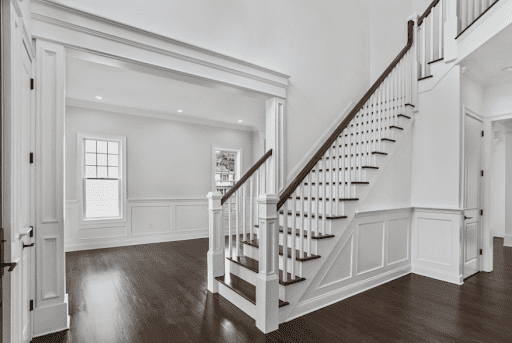
Home additions are one of the most effective ways to expand your living space, improve functionality, and increase property value. But before starting the process, most New Jersey homeowners ask the same essential question: How long does a home addition really take from start to finish? The answer depends on multiple factors—some predictable and others that require expert planning to manage. This complete timeline explains what to expect, what affects your project’s duration, and how working with the right contractor ensures the process stays organized, efficient, and stress-free.
What Affects the Timeline of a Home Addition?
Project Size and Complexity
Smaller additions, such as bump-outs or single-room expansions, typically move faster because they require fewer engineering considerations and less structural reinforcement. Larger or multi-story additions involve extensive planning, foundation work, and integration with existing systems, all of which increase the overall timeline.
Permit and Inspection Requirements in New Jersey
New Jersey has strict permitting and inspection regulations designed to ensure safety and compliance. Depending on your municipality, approvals may require zoning reviews, architectural drawings, engineering stamps, and multiple inspection points throughout construction. The more complex the plans, the longer the approval process can take.
Structural Modifications and Utility Work
If your addition requires modifying load-bearing walls, reworking the foundation, or relocating utilities such as plumbing, electrical, or HVAC, the timeline naturally increases. These steps require precision, coordination with licensed trades, and compliance with state building codes.
Material Availability and Contractor Scheduling
Lead times for materials—such as windows, custom cabinetry, roofing products, or specialty finishes—can influence project length. Scheduling also plays a role, especially with high-demand contractors who book projects months in advance. Early planning helps you secure your preferred timeline.
Average Timeline: How Long Do Home Additions Take?
Planning and Design Phase
(2–6 weeks)
This stage includes discussing goals, taking measurements, developing architectural plans, and refining the scope of work. It also involves selecting materials, outlining structural needs, and ensuring the design complies with local regulations.
Permitting and Approvals
(3–8 weeks depending on municipality)
Plans must be submitted to the local building department for review. Townships may request corrections or modifications before issuing approval. Homeowners must also account for zoning requirements, especially for setback rules and height restrictions.
Site Preparation and Demolition
(1–2 weeks)
Before construction begins, the crew clears the area, protects existing structures, and removes any parts of the home that will be altered. Proper preparation ensures the next phases proceed safely and efficiently.
Construction and Structural Work
(6–12 weeks or more depending on addition size)
This is typically the longest phase. It includes building the foundation, framing, roofing, enclosing the structure, installing utilities, adding insulation, and completing drywall work. Larger additions or multi-level expansions may take significantly longer.
Finishing, Inspections, and Final Walkthrough
(2–5 weeks)
During the final stage, interior finishes such as flooring, cabinetry, paint, fixtures, and trim are completed. New Jersey requires multiple inspections at key milestones before issuing a final approval. Once everything passes, you and your contractor conduct a walkthrough to confirm that all work meets expectations.
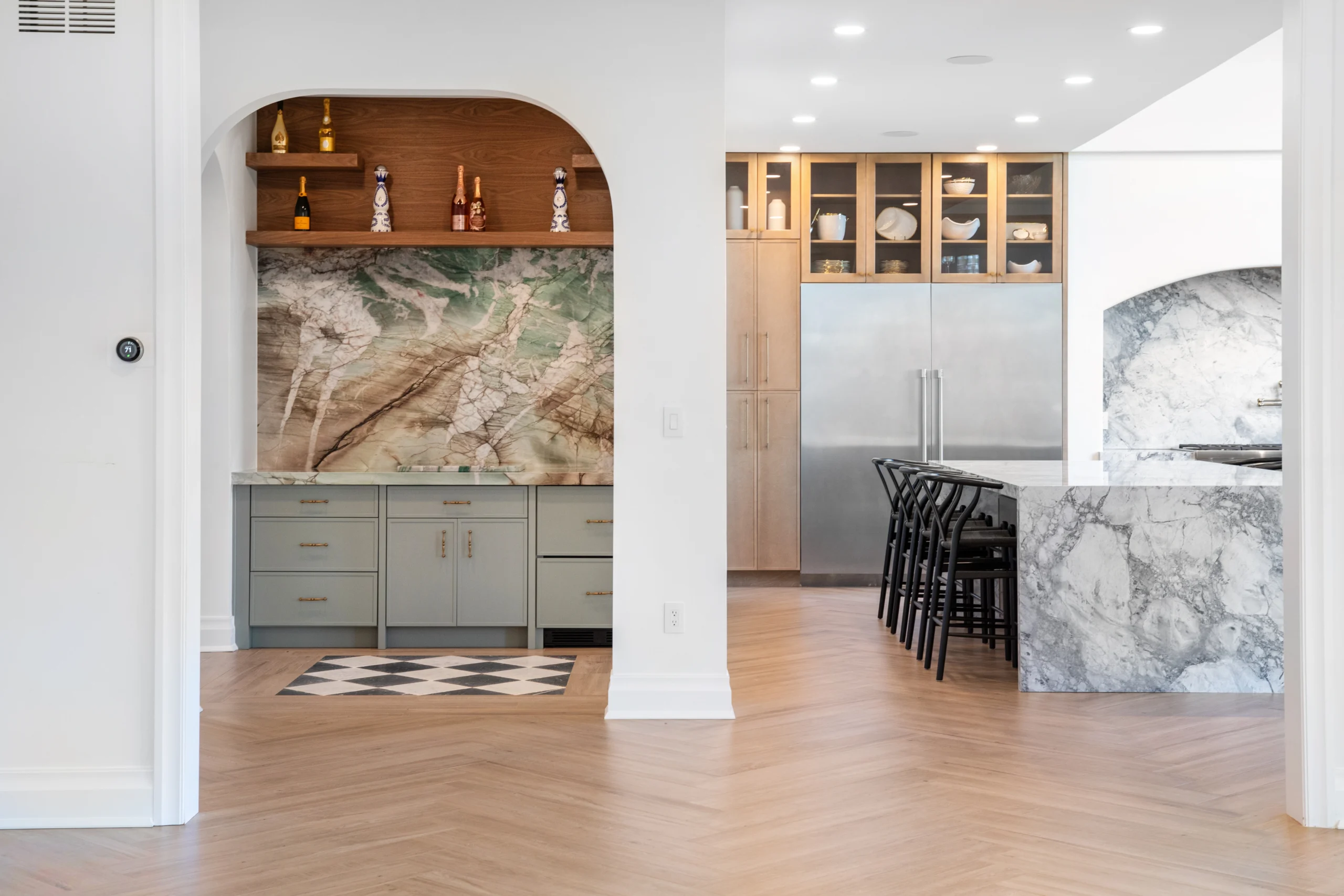
Image name: new-home-additions
How to Plan a Home Addition: Steps for a Smooth Project
Define Your Goals and Budget
Consider which problem you need the addition to solve—more living space, a larger kitchen, a new primary suite, or improved functionality. Establishing a realistic budget early helps guide design decisions and prevents costly changes later.
Choose the Right Addition Type
Common options include rear additions, second-story additions, garage conversions, sunrooms, and multi-room expansions. Each addition type has a different structural requirement and timeline, making it crucial to select one aligned with your goals and property layout.
Work With an Experienced NJ Contractor
A contractor familiar with New Jersey building codes, township permitting processes, and regional architectural requirements ensures your project stays compliant and on schedule. Local experience plays a major role in preventing delays.
Prepare for Temporary Disruptions
Home additions often require modifying active living areas. Planning for noise, dust, contractor access, and temporary changes in room usage will help reduce stress during construction.
Understand Your Financing Options
Popular funding choices include home equity loans, HELOCs, construction loans, or cash savings. Exploring these early helps finalize the project timeline and keeps the budget under control.
Common Delays and How to Avoid Them
Permit Issues
Incomplete applications, zoning conflicts, or backlogged building departments can slow the process. Working with a contractor who handles permitting minimizes these risks.
Unexpected Structural Challenges
Hidden issues—like outdated wiring, inadequate framing, or foundation problems—can extend construction time. A detailed pre-construction inspection helps identify and address these concerns early.
Weather Conditions
New Jersey’s winter storms, heavy rain, or extreme temperatures can delay outdoor work such as excavation, framing, or roofing. Planning your start date around seasonal patterns can improve efficiency.
Change Orders During Construction
Modifying the design after construction begins can introduce new engineering needs, material delays, or rework. A complete and finalized plan reduces costly mid-project adjustments.
Why Work With Captivating Construction Group for Your Home Addition?
Captivating Construction Group brings decades of expertise, local knowledge, and high-quality craftsmanship to every home addition. New Jersey homeowners trust our team because we offer:
- Local Regulatory Expertise – We understand municipal codes, zoning laws, and inspection requirements across New Jersey, ensuring a smooth and compliant process.
- Comprehensive Planning and Project Management – From design to final walkthrough, our team coordinates every phase with clear communication and organized timelines.
- Quality Craftsmanship and Transparent Timelines – We take pride in delivering durable, beautiful additions while maintaining honest scheduling expectations throughout the project.
Setting Realistic Expectations for Your Home Addition Timeline
A home addition is a major investment in both time and resources, but with proper planning, a clear design, and the right contractor, the process becomes far more predictable and manageable. Understanding each phase—from permitting to finishing—helps New Jersey homeowners set realistic expectations and enjoy a smoother experience. When you partner with an experienced team like Captivating Construction Group, you gain the clarity, confidence, and craftsmanship needed to bring your vision to life while staying on schedule.